Ryan Geppert
Contributing Author
The Old Guard: The Marketing Funnel
If you’re familiar with traditional marketing, you’ll undoubtedly have come across the concept of the marketing funnel. The marketing funnel has been the driving paradigm for conversions and sales used to document the buyer’s journey.
Note: Understanding how to create an effective sales funnel is still fundamental as a digital marketer—but it isn’t always enough!
The marketing funnel relies on a pretty straightforward model: in short, more awareness for your product will inevitably translate to more sales. The goal becomes the generation of more conversions by adding more people to the funnel, commonly referred to as “widening the funnel.” There are countless ways to promote your funnel, and “target” your offer to different audiences. Creating and promoting a funnel that brings in the right customers, for the lowest cost, is the real goal.
The Stages of the Marketing Funnel
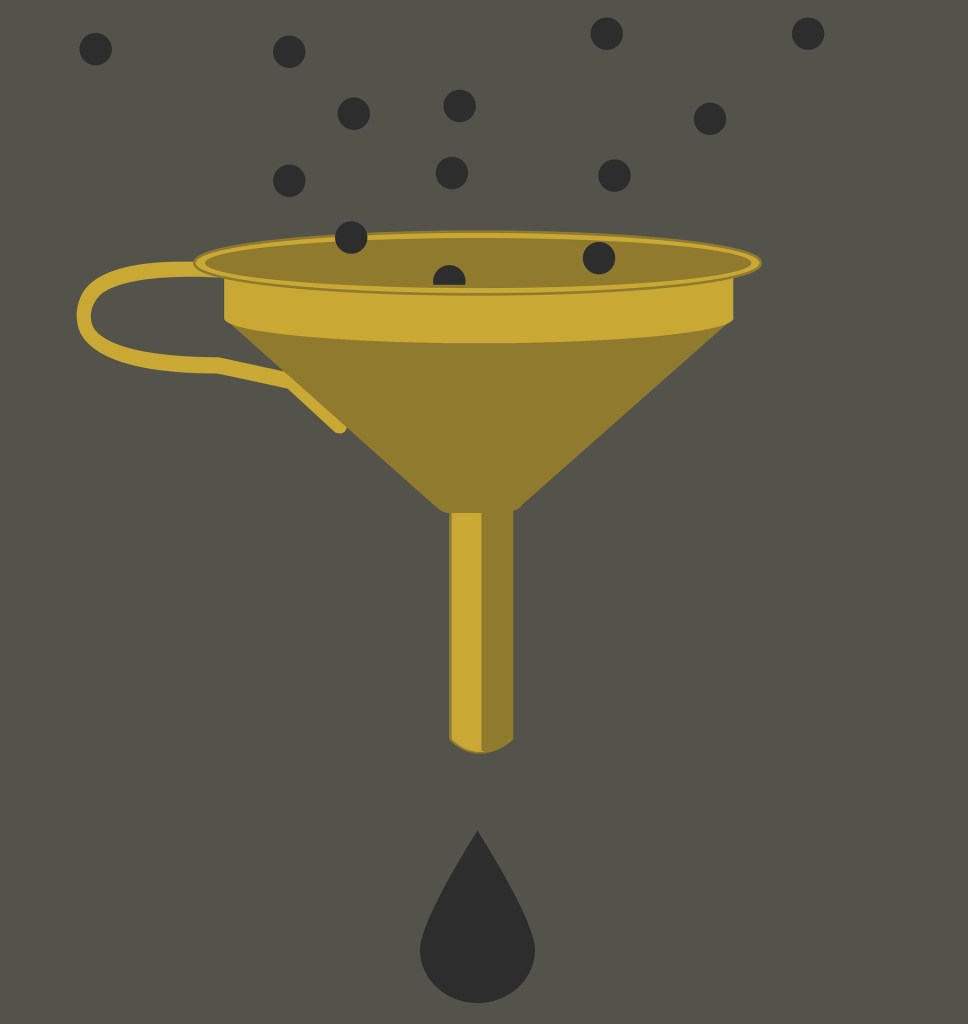
The marketing funnel aims to take a wide range of potential customers in the first stage of the funnel. In the “awareness” stage, your product is brought to the attention of prospective customers, and may garner some interest from that audience.
After awareness, the next stage in the marketing funnel is the “consideration stage.” During the consideration stage, the funnel narrows further, and customers become more likely to purchase a product. Hopefully, with specific targeted action through a campaign of intelligent contextual marketing, the consideration stage will translate into a “conversion stage,” where sales really start to roll in.
So, why is the marketing funnel effective?
The marketing funnel presents a visual representation of the stages of the buyer’s journey. Within each different stage, a marketer will input different tactics to increase leads, and convert more of those leads to customers (creating conversions).
There are many tactics that marketers employ to grow their funnels and sales. Whether that be email targeting campaigns, signup forms, blog hits, joining a Facebook group, or watching a video, you can track these metrics and better understand the details of where your buyers convert, or fail to. You can also create a more personalized journey for your buyer, building trust and rapport around your product and business. By using key analytics, successfully retargeting, and altering your strategy, you can continually increase your sales with a simple funnel design.
While the marketing funnel has been the bread and butter for traditional inbound marketing, a changing of the guard has taken full effect. In modern-day marketing practice, the time of the marketing flywheel has arrived.
What is the Marketing Flywheel?
The marketing flywheel builds on the fundamentals used to create marketing funnels, but throws out the conventional funnel model and inputs a “flywheel,” where the different stages within the model build momentum for each other.
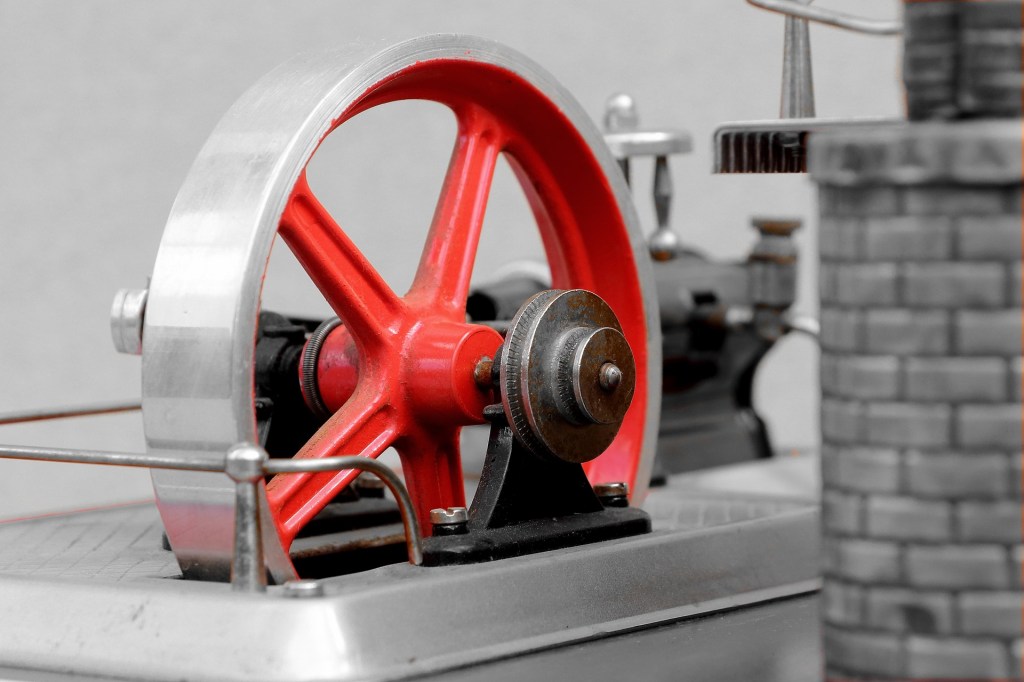
The visualization of a funnel shows customers entering the top, and shaking out at the bottom, after they buy your product. The flywheel goes one step further. Where the funnel fails, the flywheel values characteristics such as great referrals, word-of-mouth, brand loyalty, and customer satisfaction. With momentum generating at every turn, the flywheel does a lot of the work for you. In essence…
“Funnels produce customers but don’t consider how those customers can help you grow. That’s where the flywheel comes into play.”- HubSpot
How big the wheel is, how much energy the wheel outputs, and the number of characteristics contributing to the flywheel are all critical attributes to the flywheel’s character. With its three stages, the flywheel requires consumer-generated growth. These stages include:
- Attraction
- Engagement
- Delight
It’s the job of the marketer to reduce friction and keep momentum churning by identifying obstructions in the buyer’s journey, and understanding where customers may or may not be happy. Creating an effective marketing flywheel requires understanding the entire marketing and sales cycle—and doing everything possible to make those cycles customer-centric.
Why has the flywheel surpassed the funnel as the primary model?
The flywheel considers the customer’s satisfaction and word-of-mouth as a paramount priority. With so much changing in the marketing world, from how we advertise and attract customers, to growing technology initiatives, consumers have grown to be primary brand ambassadors. With growing distrust in classic sales-techniques and traditional marketing, the power of the customer’s voice is more pertinent than ever, especially with the rise of online reviews. Social proof is becoming the primary currency businesses use to attract new customers.
The marketing funnel doesn’t output customers; they input them for continuous growth. With an attempt to delight the customers and keep them engaged, the wheel is a self-fulfilling model generating sales and conversions, reinforcing the other stages in the process. The flywheel aims to continuously engage customers, educate them, and connect with them.
Many of the processes used for growing funnels are also used for engaging customers in the flywheel method—so your skills aren’t useless! Your skills just need to be focused on more than finding new customers; but on retaining, delighting, and evangelizing current and past customers!
Conclusion
The flywheel has replaced traditional funnel marketing. Aided by changes in technology, the growth of reviews, and the perception that the customer is the most crucial facet, the flywheel has surpassed the limitations of the funnel to elevate itself as the dominant paradigm. By understanding what makes your customers happy, and keeping them engaged and delighted, the flywheel allows sales and conversion to grow continuously.
Interested in turning your funnels into flywheels, and generating recurring income from your customers? Get in touch today!

 DeMaio Digital Marketing
3 thoughts on “The Marketing Funnel vs. The Flywheel Model: What do they mean?”