Inbound marketing depends on meeting your prospects where they are, and offering valuable content to keep them coming back for more—eventually, as customers. It’s all about building trust and relationships by making valued contact with your leads. One of the most basic elements of this inbound effort revolves around “gated content offers.”

Gated Content Defined
So what exactly is gated content?
Gated content is valuable content (in any format) that you offer in exchange for a bit of information from the prospect.
Often, gated content offers are in the form of a downloadable ebook or whitepaper, for which you exchange your email address, or maybe your email address and your name. As a marketer, this is your “in” for being able to deliver contextual pieces of marketing to really step up your inbound marketing game.
Using Gated Content Offers
Gated content offers work on all sorts of different sites and platforms. They work on websites as well as on social media. Hubspot’s inbound trainings talk a lot about the power of content offers, and gated content. You’ve undoubtedly seen this tactic before. “Add your email address and we’ll send you the free ebook,” is a fairly common and useful tradeoff. If your content is useful enough, people will clamor to trade their email address for your ebook (or whatever else you are offering), and you’ll have no problem building a list of interested parties to which you can remarket.
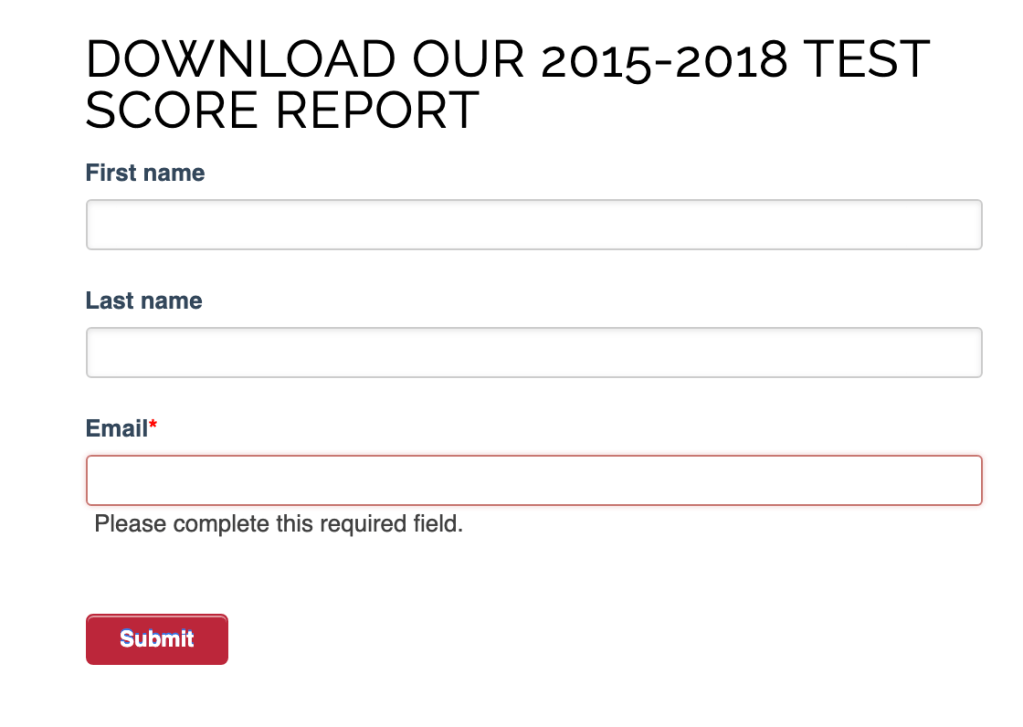
Note: Gated content isn’t the only way to grab a prospect’s info. There are many occasions to collect this info; when they schedule a call with you, purchase a product or service, subscribe to your blog, attend an event, or send you an email. These are just some that come to mind.
There are a number of ways to utilize and make the most of gated content offers. The first step is to create a truly valuable piece of content, though. Without that, you may get some clicks initially, but you won’t get any positive word of mouth/social proof, and the clicks won’t convert to buying customers. You have to first create and offer real value to your audience, for whatever niche in which you’re working.
Choosing your Content
Take a look at your site analytics, if you haven’t lately. Choosing the content to create shouldn’t be a guessing game (there’s a lot of guessing going on in the digital marketing space… rise above). Look at what pieces of organic content are bringing in the most readership. Look for themes among your high performing pages. Take into account the content, specifically.
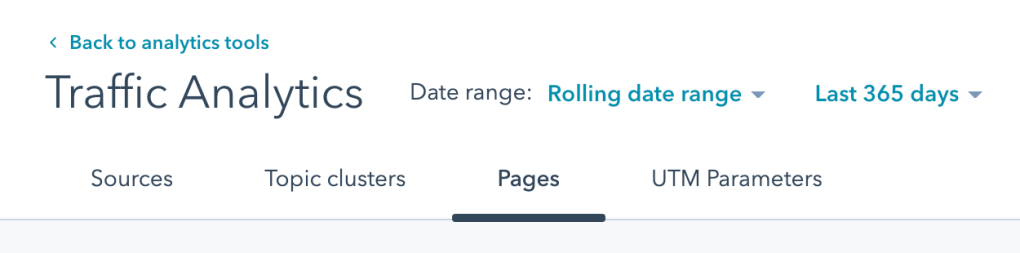
Ideally, all of your pages will be optimized for search, and your traffic analytics will be a good barometer of what content is actually being engaged with. Also, your content should be relevant to your ideal audience—otherwise, why are we doing this? Be sure those two things are taken care of, or your traffic analytics won’t be nearly as useful to your bottom line.
Is there a common thread among your most viewed pages? A specific subject? A question that people keep searching? A type of post?
Creating your Content
Once you’ve determined what is driving people to your site, what your audience is truly interested in, it’s time to create a new, better version of what you’ve been offering “ungated” on your site. This might mean turning a series of blog posts into an ebook or whitepaper; this might mean recording a video explainer of your most popular blog, with examples and case studies; this might mean pulling together shareable templates of your design projects for others to incorporate in their work. It could mean… really, anything, depending on your audience and niche.
As always, research and test. You may find out that your content is much more digestible in a format you hadn’t first considered. Give the people what they want, how they want it.
Sharing Gated Content Organically
Once you’ve built out a valuable piece of content to use in your offers, it’s time to share that gated content with the right audience, to grow your list of leads. To start, you’ll want to grow organic traffic around your offer. This means placing your offer where the right people will see it, naturally. Your site’s SEO has a lot to do with getting proper inbound leads. Like any content on your site, your gated offers should be optimized for SEO so that people can find them! Include your gated content offers on your site pages that are already generating traffic, and turn that traffic into leads!

Beyond adding your offer to pages with high traffic, you also want to focus on creating more pages that support your offer. This builds your authority around the topic, adds more landing pages for prospects to find, and provides value to your audience. As you learn more about what your audience wants, you can begin to stretch your content in those directions.
Beyond your general SEO strategy, it also makes sense to share your offers (or the pages where your offers reside) to relevant audiences through social media, or other outbound methods. Offer your content where it’s relevant—online question forums, related social media groups, related sub-reddits, etc. Yes, you can use a combination of outbound outreach, and inbound tactics to grow your list!
Promoting Gated Content
You can also utilize paid ads, in combination with your gated content, to grow your list at an increased rate. Once again, there are a lot of possibilities here. I won’t go into all of the ways you can promote your content online in this post, but we’ve touched on it before in a few different posts. You can go so far as to create miniature funnels that lead to your gated content—a pre-funnel that qualifies prospects automatically for future outreach. Retargeting is your friend, even before they engage with your gated content. Paid outreach can tap into your page traffic and retarget folks who haven’t given you their contact info yet!
Follow Up
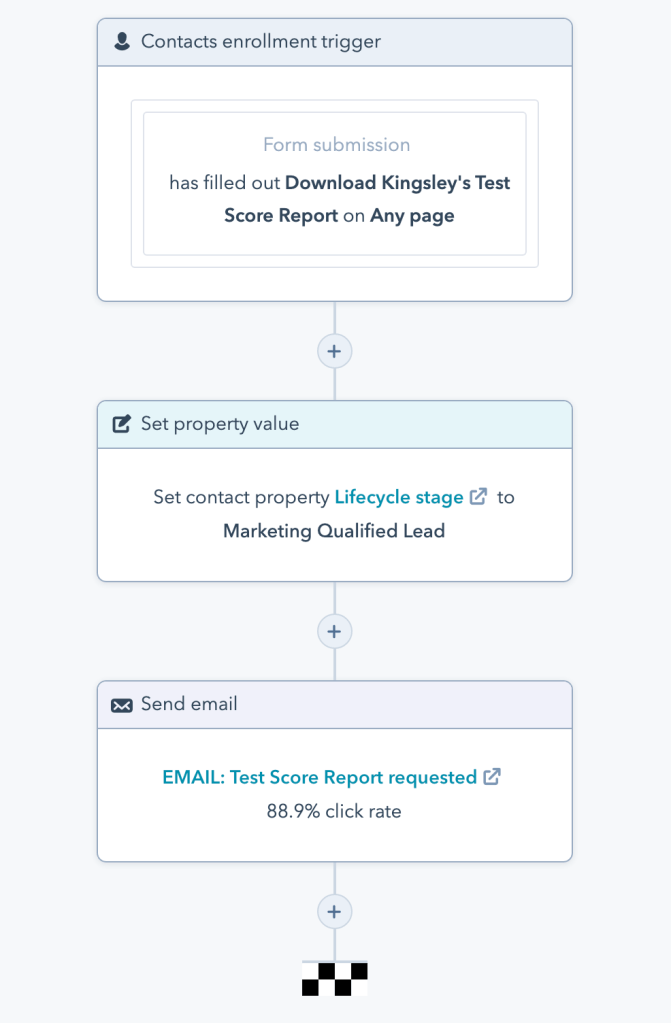
Once you have a valuable, optimized piece of gated content being shared through the ether, you need to make sure you have a follow-up plan in place. It’s not much use to grow your list of prospects if you don’t plan on connecting with them, building the relationship, and eventually making a sale. So plot out a plan of action for your follow up. Think about your end goal and build back from there.
What is it that you are trying to sell to these prospects? What does their engagement with your gated content tell you about their buyer persona? How can you leverage what you know about them to further build the relationship? What other valuable content or insight can you offer in this area?
Don’t let these leads stagnate. If they’ve engaged with your content (and your content really is relevant) than they are warm leads—keep them warm by reaching out in a personalized way. Create segmented email lists based on what you know about your prospects, and reach out to them at regular intervals. Provide value, and forge a connection. Be helpful, and you’ll be the first person that they’ll want to buy from when they need a paid solution. Check out this piece for more info on using workflows and segmented email lists for your follow-up outreach!
Conclusion
Gated content is a hallmark of the inbound methodology. Tracking codes help you advertise to people who have viewed your content, but if you want to forge a connection with a prospect, you’ll want to have them in your CRM as a contact, with as much associated info as possible.
The first step towards creating that contact record, is to obtain some contact info about your prospect. By putting a piece of valuable content behind a form that asks for the visitor’s contact info, you’ve now gained valuable insight into your site visitor’s needs, as well as valuable contact info to reach out to them again.
Use gated content to build and segment your lists, create a trusting relationship with your clientele, and provide true value to your prospects.
Interested in building out your inbound strategy? Get in touch today!

 DeMaio Digital Marketing
2 thoughts on “Gated Content and Content Offers: Inbound Basics”